

Design Insights:
Q&A with Manuela Hamilford
This month, we speak with Manuela Hamilford, founder of Hamilford Design, a London-based interior design studio renowned for creating elegant, luxurious interiors with a focus on high-end residential work and select hospitality projects.
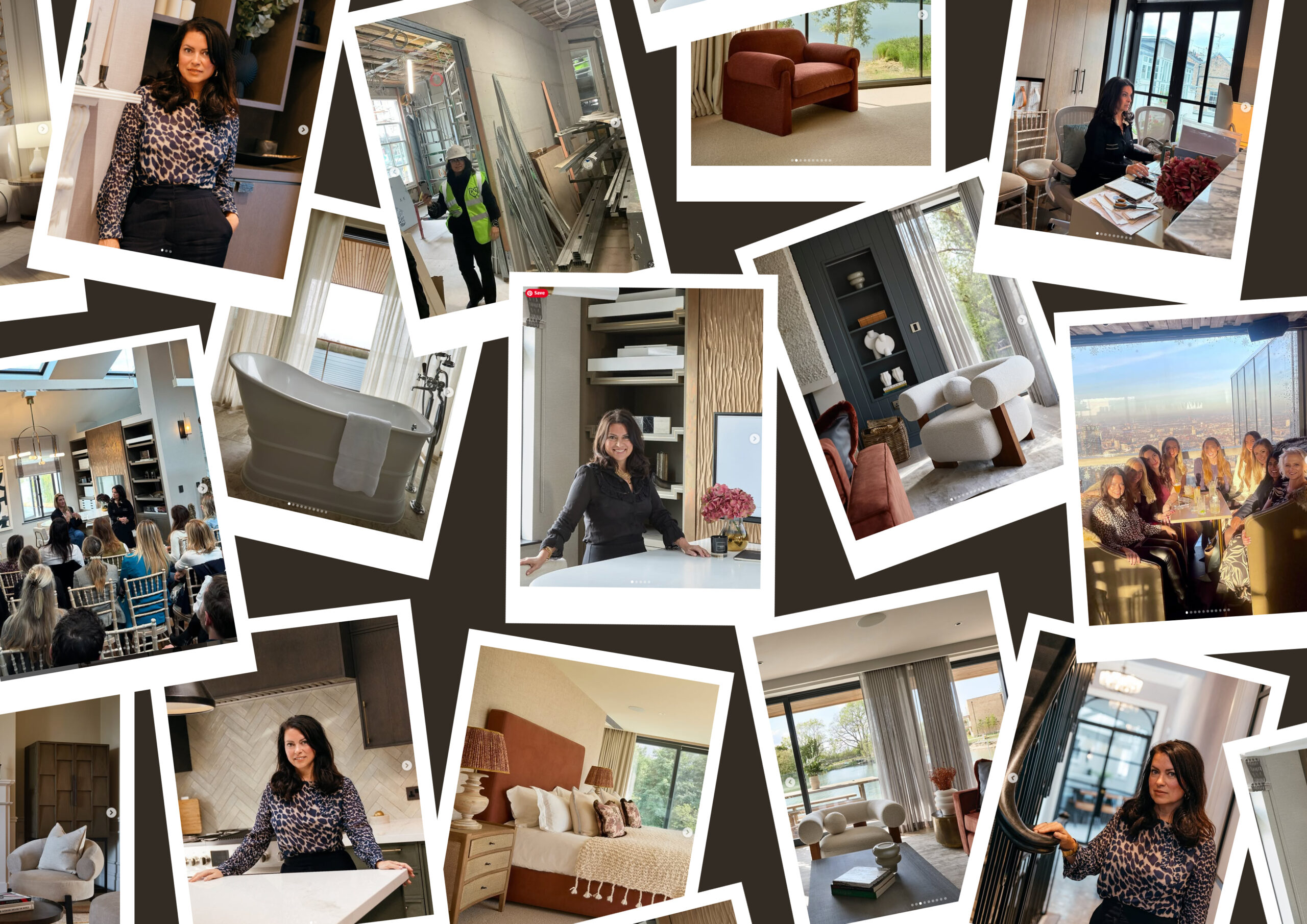
Manuela, you’ve built an inspiring interior design studio in the heart of Notting Hill. Can you share a little about your journey to this point, was it always your ambition to establish your own studio, and what key moments helped shape that path?
MH: I’ve always been drawn to design and had an eye for detail. I had experience in the industry, but when I moved to London and fully renovated my home in Holland Park over 15 years ago, I began to consider turning my passion into a business. My friends would visit and ask who had designed my home and asked for the studio’s details, and when I said I had created the space myself, they would ask for help with their homes. Founding Hamilford Design allowed me to bring together my passion, travels and design sensibility into a studio with a distinct voice. Launching the studio in Notting Hill – where creativity and heritage come together – felt like a natural choice and things have grown from there.
Can you share with us how your Italian heritage, combined with your experience living and working in New York, has influenced the vision and aesthetic of your design studio?
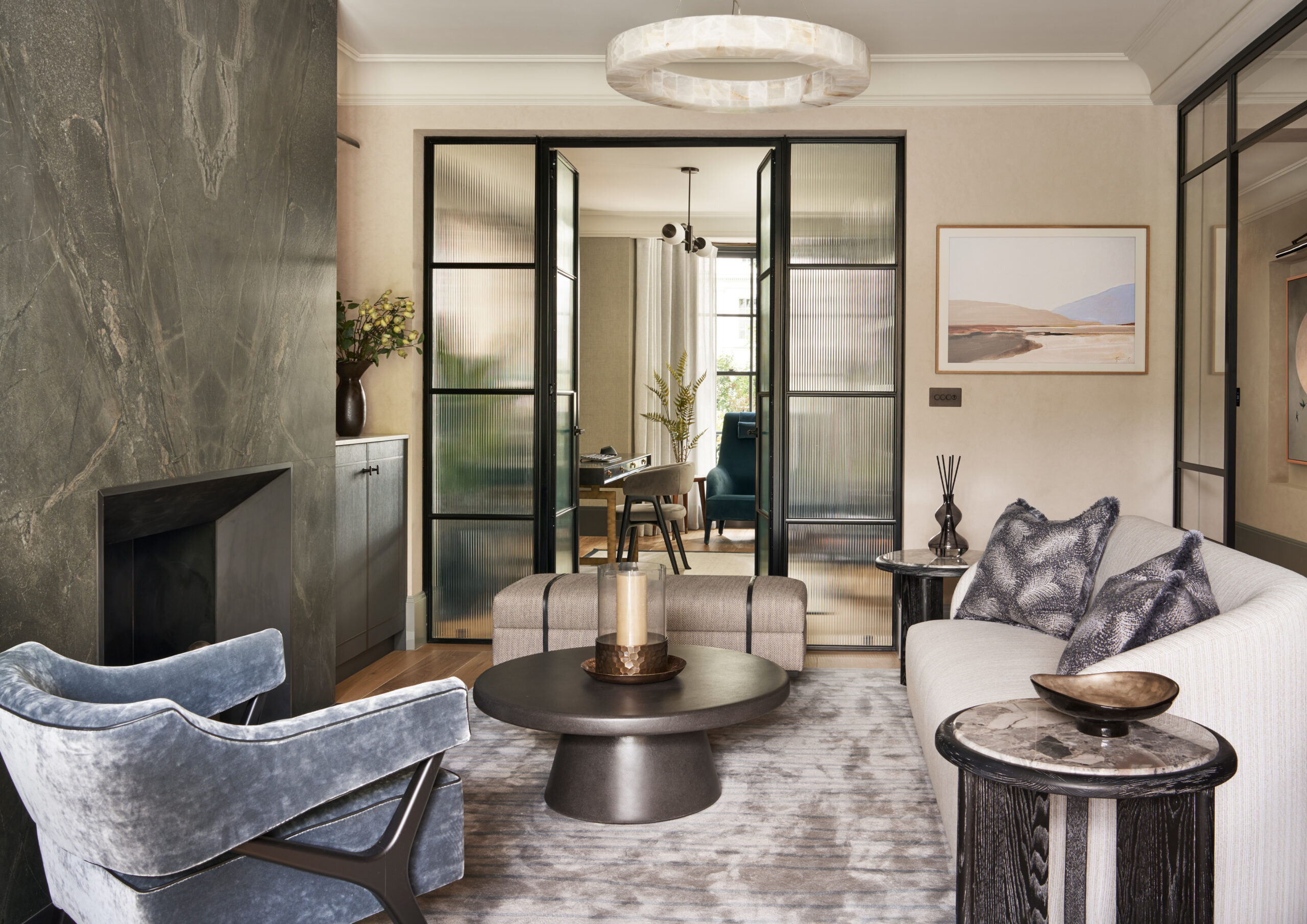
MH: Both Italy and New York have shaped how I approach design in very different but complementary ways. Growing up in Italy, I developed a real appreciation for quality materials and craftsmanship. New York taught me pace and focus – the energy and creativity there have definitely influenced my designs. My experience has led me to a house style that embodies bespoke, well-made pieces used in a more modern, approachable way.
Our redesign of Italian restaurant Sale e Pepe in Knightsbridge was a good example of my experience being visible in the studio’s designs. It’s a place with real history, and the brief was about updating it sensitively – not reinventing it. We retained its structure but refined the palette, materials and atmosphere to reflect a more modern take on Italian hospitality. It’s these kinds of projects that I find most rewarding and really show myself.
When you reflect on cherished memories from those two remarkable locations, are there any buildings, hotels, museums, or restaurants that continue to inspire your work?
MH: The Brera in Milan comes to mind – the refined layering of materials and its grandeur are so inspiring. I love the blend of past and present. In New York, it’s the Mercer Hotel—it’s imposing yet understated. I’m drawn to spaces where every decision feels intentional but not over the top or forced. That’s something we aim for in every project.
You describe your service as a client-led, collaborative process. Could you walk us through the initial steps of a project?
MH: We begin with a conversation, not a checklist. Every project starts with listening – we have some key questions to work out a client’s style and their needs too. Equally important to their taste is how they use a space, their lifestyle and family dynamic. We’re also incredibly visual; scheme-boards, material palettes, we are all about layering, so it’s great to have samples to get the tangible feel of materials. From there, we build a concept that respects both the architecture of the space and the individual. We use AI images and 3D visualisation to help bring things to life, as well as mapping out furniture physically in the space so we can walk the clients through. The process is as collaborative as the client wants it to be. We always strive to create something personal and unique, which is why we don’t stick to a strict style—every project has its own distinct identity.
Your ethos of creating timeless spaces that are both highly functional and beautifully individual is truly compelling. What are the key principles or milestones in your design process that help ensure this vision is consistently realised?
MH: Function and feeling are equally important. We often work in natural materials – like plaster, stone and linen – that age beautifully. But we also look at flow and pride ourselves on spatial planning. In our Hacienda project, for instance, the relaxed geometry of the furniture supports both intimate living and large-scale entertaining, without compromise.
We approach each space by getting an understanding of how it will be used day to day, how light moves through it and how it connects to the rest of the home. We’re quite rigorous with layout and flow. We refine floorplans multiple times to get them just right, then layer materials and texture to bring softness, intrigue and warmth. Ultimately, it’s about balance – making sure practicality doesn’t come at the expense of character, and that the end result feels like home.
What role do materials and textiles play in your designs, and how do you choose the right ones for each space?
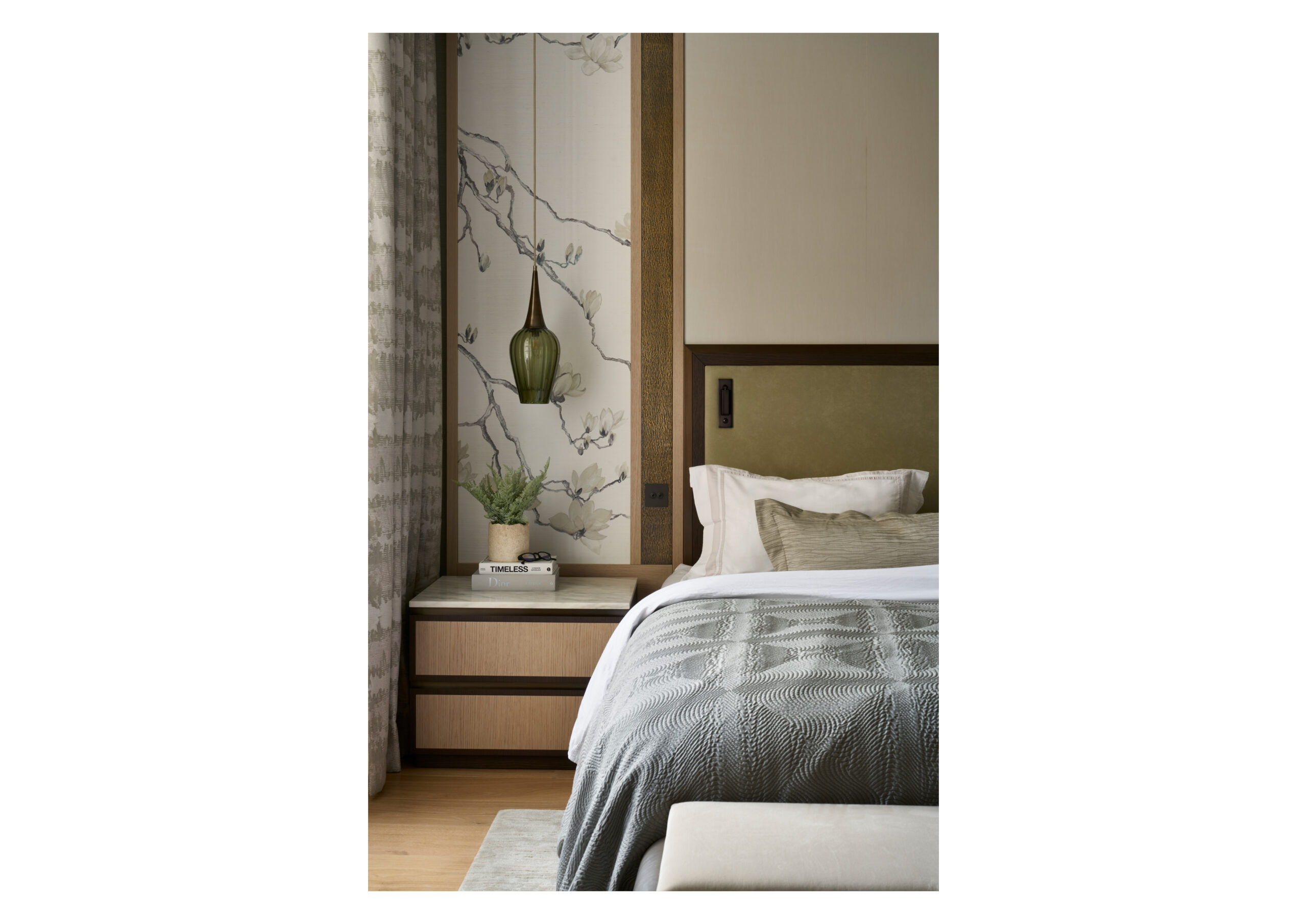
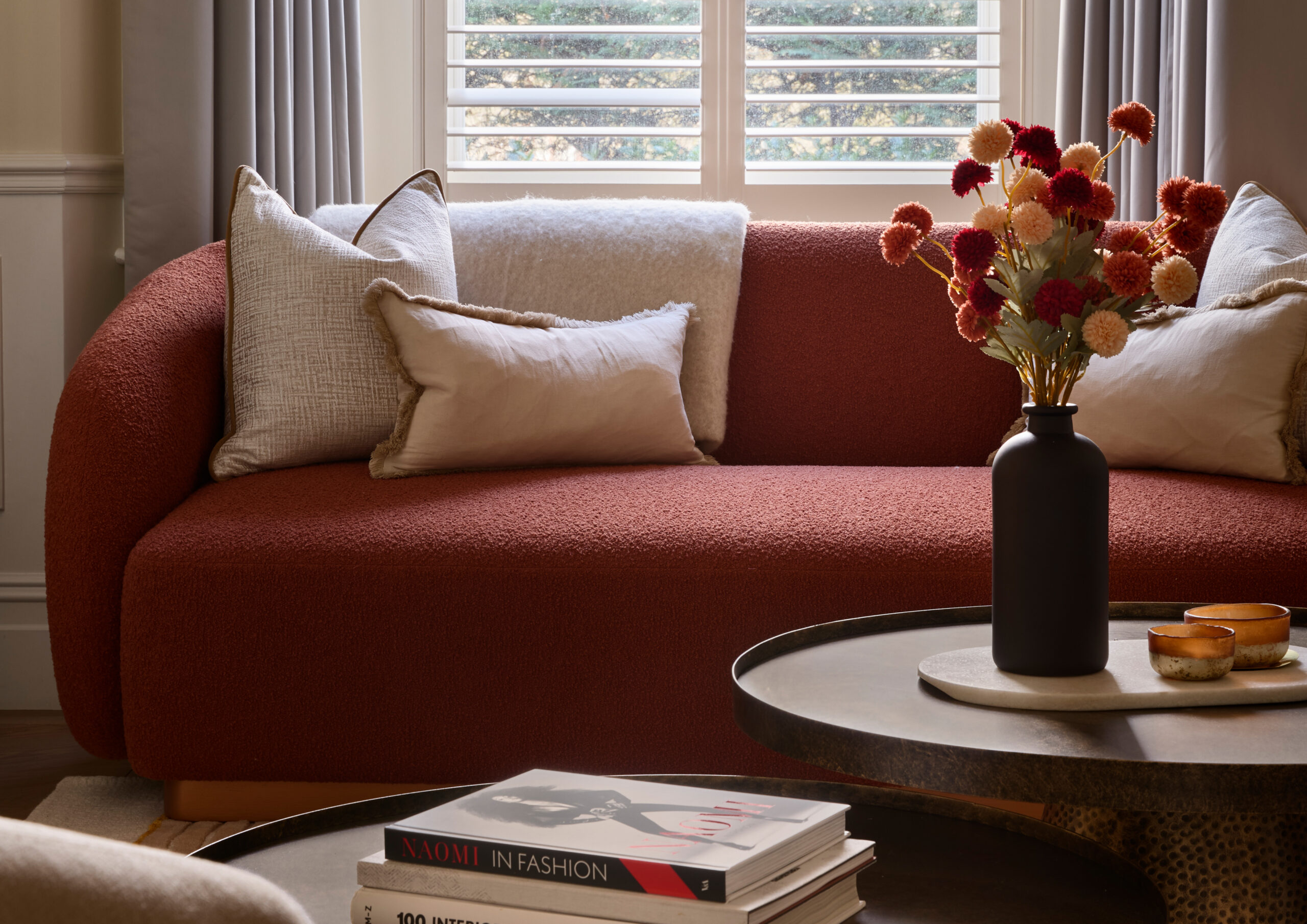
MH: Textiles are where emotion comes in and they change how a room feels instantly. They’re not just for decoration; they’re integral to how a space feels. I’m drawn to natural fibres such as linen, wool, silk blends, they are great for layering and align with our sustainable outlook. They should feel good to the touch and varied to give a sense of depth.
Beautiful materials are a non-negotiable. We often work with a fairly muted palette, so texture and materials elevate the design and do a lot of the heavy lifting. In our Woodland Estate project, for example, we used locally sourced stone and layered textiles to give softness to a large-scale build.
Could you share some of your favourite Chase Erwin fabrics with us? Are there any designs you find yourself returning to time and again in your projects?
MH: We always come back to Chase Erwin’s sheer linens. The Apsara line is stunning, especially in Mistral. In a recent project, we used a soft oyster-toned linen from Chase Erwin across both curtains and cushions – making the space feel cohesive. The beauty of many of the Chase Erwin collections are that they are tonal, elegant and incredibly versatile.
How does sustainability and ethical sourcing influence your choices as a designer?
MH: We take a long-view approach. The most sustainable space is one that stands the test of time, both the style and materials themselves. So we invest in pieces that will age gracefully – that means fewer synthetic fibres and bespoke, so they fit a space perfectly. Also, we prioritise suppliers like Chase Erwin who are committed to responsible production. And increasingly, we’re working with local craftspeople and sourcing local materials so that it feels authentic to the project and its surroundings.
There’s a growing shift away from synthetic materials, especially in high-traffic areas or places that can suffer from wear and tear. Wool and jute are both resilient and naturally beautiful. Upholstered pieces and curtains should last decades and design should reflect that kind of permanence. We approach pieces as long-term investments, not throwaway décor.
What role do art and handcrafted objects play in your interiors? Are there any artists or makers whose work you find particularly inspiring?
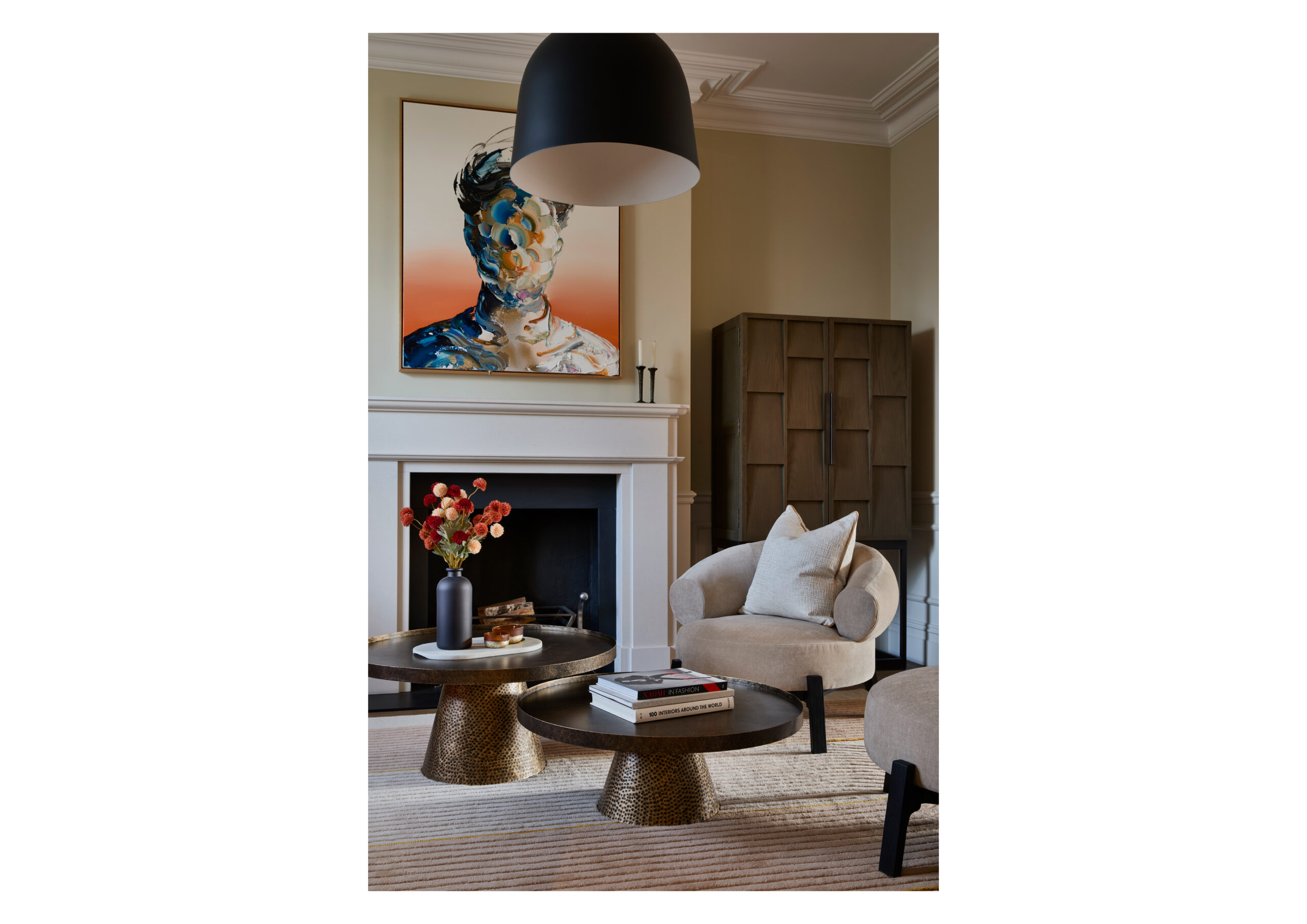
MH: Art and handcrafted objects bring a space to life – they’re what make an interior feel layered, unique and personal. We often work with ceramicists, including my friend Deborah Brett, whose sculptural pieces bring such warmth and tactility. Most of our pieces are bespoke, from cabinetry to sofas.
We frequently collaborate with galleries to curate collections that resonate with our clients, both emotionally and spatially. The right artwork can shift the mood of a room entirely – bringing contrast, focus or calm. It’s never just about filling a wall; it’s about choosing pieces that speak to the architecture, the light, and the client’s story.

What advice would you give to emerging designers looking to establish their own studio?
MH: Don’t follow trends – follow your instincts. Build spaces that feel rooted in their setting and also true to your own design values. That means prioritising quality materials and craftsmanship. Also, develop lasting relationships with your suppliers; your black book is invaluable. These people are your creative partners, with lots of expertise, which is useful when starting out.
Finally – develop your eye and your taste, then trust in them. Interior design is about refining your sense of style. I’m inspired by my travels, trade shows, galleries and even books. Immerse yourself in design!
Looking ahead, are there any trends or design movements that excite you?
MH: I’m excited by the return to intimacy – rooms that are layered, personal and not a showhouse. After Covid and people being desperate to travel and be away from home, we’re seeing a return to people really looking at their homes as somewhere comfortable and beautiful where they enjoy spending time. There’s also a renewed interest in craft and heritage, which aligns with how we’ve always worked as we’ve always designed spaces that prioritise quality and feeling over trends. Spaces are becoming more characterful again, with curves, bespoke furniture and personal artwork.
Manuela, thank you for taking the time to share your inspiring insights with us.
To learn more about Hamilford Design, visit hamilforddesign.com and follow them on Instagram @hamilford_design.
Image credit: Hamilford Design